Artificial Intelligence
Did you know?
The cups in the Starbucks billboard mockups were made using Grok. The ad spot thumbnail in the Spotify campaign was made using ChatGPT. Visual elements on this website were vibe-coded. The copy across multiple case studies was tested with AI. In the last few years, the capabilities of artificial intelligence have grown exponentially, and it is quickly becoming essential to the future creative landscape.
Did you know?
The cups in the Starbucks billboard mockups were made using Grok. The ad spot thumbnail in the Spotify campaign was made using ChatGPT. Visual elements on this website were vibe-coded. The copy across multiple case studies was tested with AI. In the last few years, the capabilities of artificial intelligence have grown exponentially, and it is quickly becoming essential to the future creative landscape.
How did it start?
When LLMs like ChatGPT first launched, I found it genuinely magical to chat with an artificial mind. I immediately started pushing it to its limits, using it for school, learning, and writing support. Once I got to college, the possibilities expanded. I could upload files and PDFs, and later experiment with early image generation tools as they became available. By my sophomore year, I was actively testing other models, including Grok, Gemini, Claude, and Perplexity, along with more advanced video and image generation tools and vibe-coding workflows. Over time, I learned how to choose the right model for the right task. Looking ahead, I think AI will move toward more specialized tools, and it will be increasingly important to understand how to work across multiple LLMs.
How did it start?
When LLMs like ChatGPT first launched, I found it genuinely magical to chat with an artificial mind. I immediately started pushing it to its limits, using it for school, learning, and writing support. Once I got to college, the possibilities expanded. I could upload files and PDFs, and later experiment with early image generation tools as they became available. By my sophomore year, I was actively testing other models, including Grok, Gemini, Claude, and Perplexity, along with more advanced video and image generation tools and vibe-coding workflows. Over time, I learned how to choose the right model for the right task. Looking ahead, I think AI will move toward more specialized tools, and it will be increasingly important to understand how to work across multiple LLMs.
Should we be worried?
In 2024–2025, there was a major push to “replace” creatives with AI. Many developers claimed their models would integrate into creative tools and produce logos, brand systems, and ad work. At first, I was genuinely worried. I had just committed to a career in design, and it felt like I might be walking into a dead end. Over time, though, two things became clear. First, these tools have not proven capable of fully replacing strong creatives. They can accelerate work and replicate common patterns, but craft, taste, and original thinking still matter. Second, audiences have started to push back against work that feels overly automated, and interest in human-feeling design has grown. Because of that, I think AI’s most direct impact will be in engineering and technical workflows, while creative work will be shaped more by how well people use AI as a tool.
Should we be worried?
In 2024–2025, there was a major push to “replace” creatives with AI. Many developers claimed their models would integrate into creative tools and produce logos, brand systems, and ad work. At first, I was genuinely worried. I had just committed to a career in design, and it felt like I might be walking into a dead end. Over time, though, two things became clear. First, these tools have not proven capable of fully replacing strong creatives. They can accelerate work and replicate common patterns, but craft, taste, and original thinking still matter. Second, audiences have started to push back against work that feels overly automated, and interest in human-feeling design has grown. Because of that, I think AI’s most direct impact will be in engineering and technical workflows, while creative work will be shaped more by how well people use AI as a tool.
What does using AI well look like?
I think AI is a powerful tool, but it only helps when you use it with intention. If you rely on it just to speed things up or avoid the hard parts, it won’t make your work better, it will make your process easier to replace. The value comes from leading the tool, not following it. When you use AI to expand what you can do, sharpen your thinking, and execute ideas faster while still making the creative calls yourself, it becomes genuinely useful. The goal is not to hand your taste over to a model, but to use the model to amplify your taste.
What does using AI well look like?
I think AI is a powerful tool, but it only helps when you use it with intention. If you rely on it just to speed things up or avoid the hard parts, it won’t make your work better, it will make your process easier to replace. The value comes from leading the tool, not following it. When you use AI to expand what you can do, sharpen your thinking, and execute ideas faster while still making the creative calls yourself, it becomes genuinely useful. The goal is not to hand your taste over to a model, but to use the model to amplify your taste.
Below are some examples of how I have used AI:
Generating
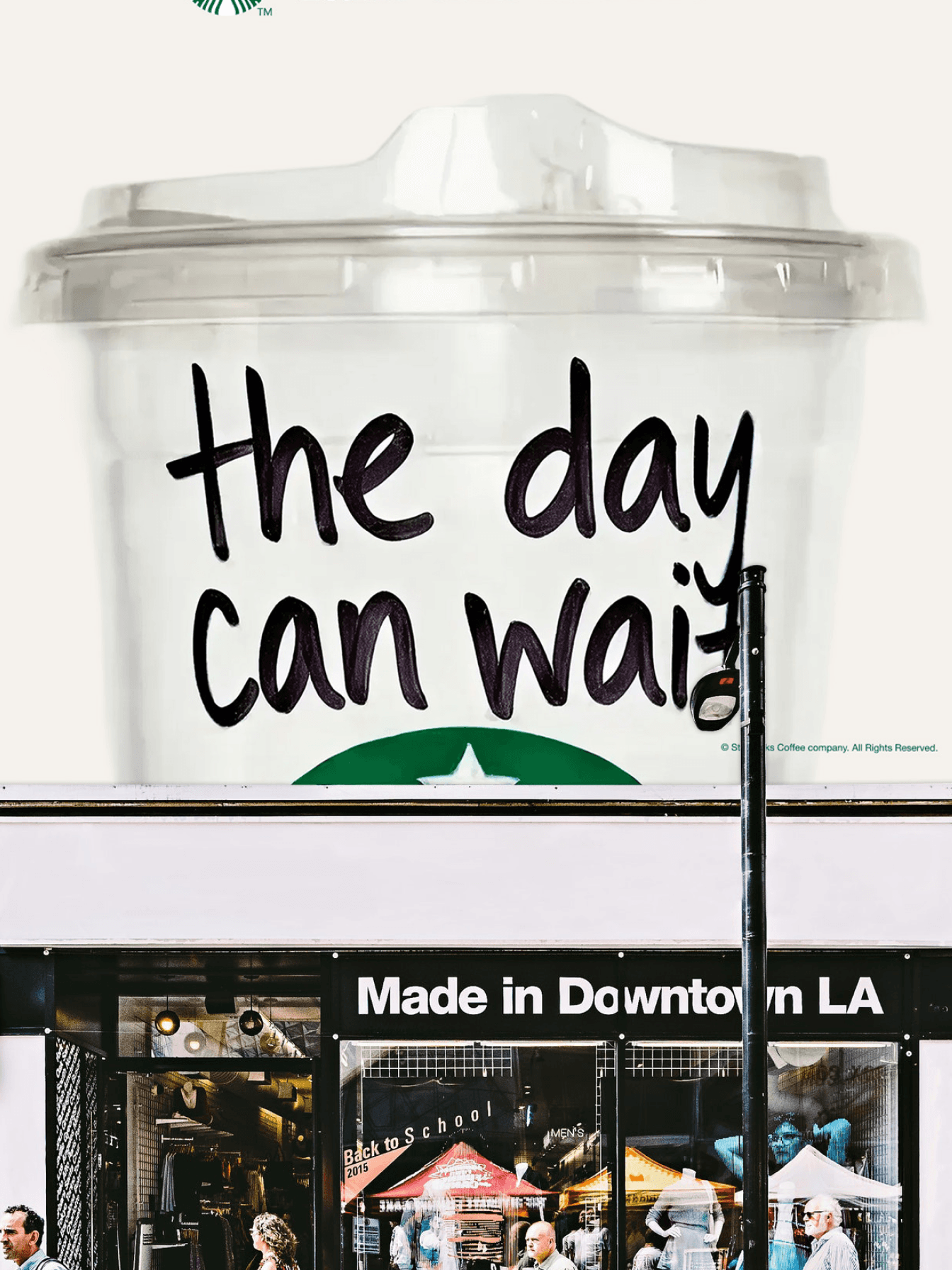
I used Grok to generate the cups including the sharpie-style writing on them.
Coding
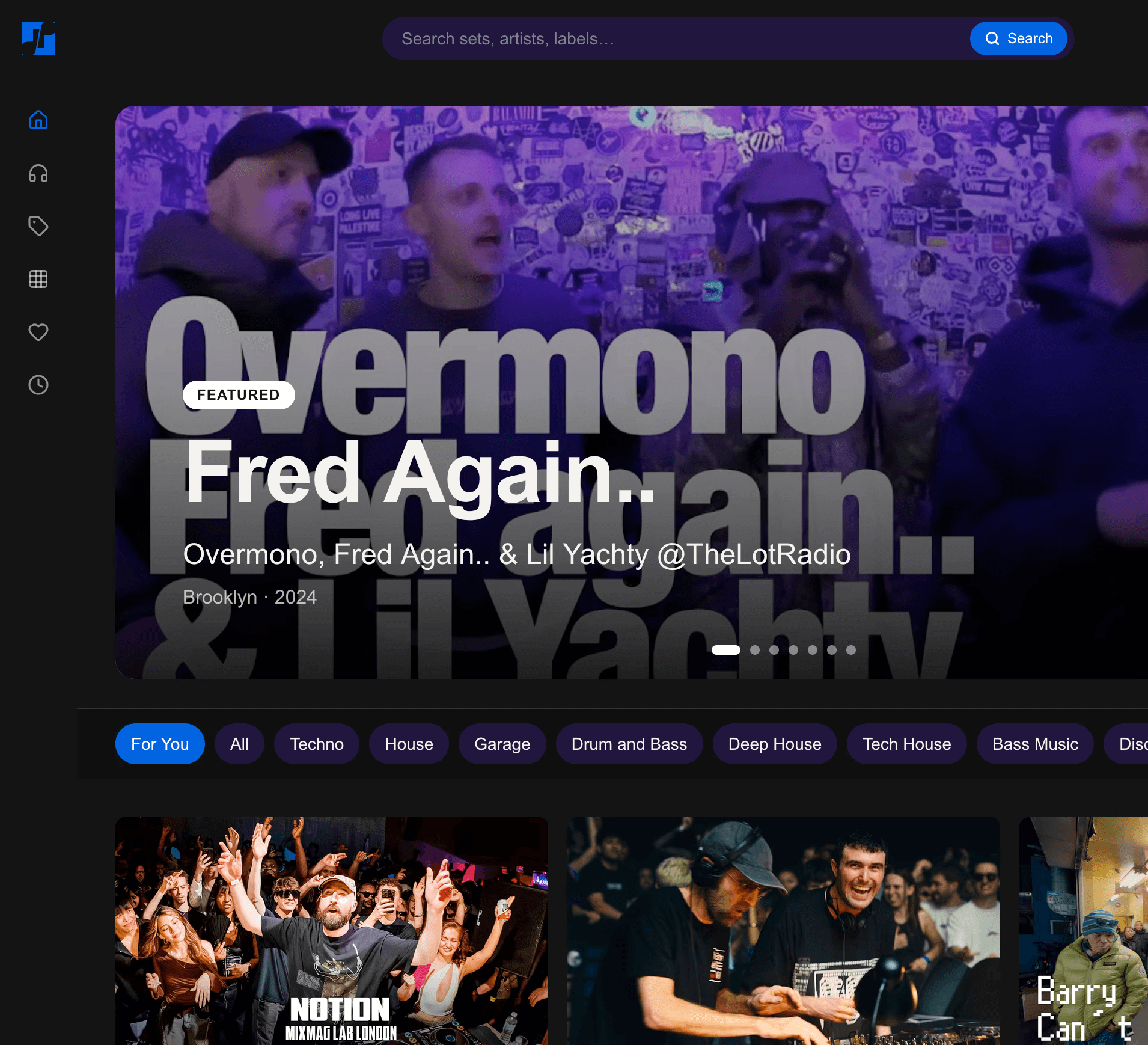
I have built multiple web tools to improve aspects of my workflow and recently I created a full scale website called Setlib, a DJ set library site.

Editing
Built a custom claude skill for Ottimate that analyzes and corrects projects according to the Ottimate brand guidelines.
Below are some examples of how I have used AI:
Generating
I used Grok to generate the cups including the sharpie-style writing on them.
Coding
I have built multiple web tools to improve aspects of my workflow and recently I created a full scale website called Setlib, a DJ set library site.
Editing
Built a custom claude skill for Ottimate that analyzes and corrects projects according to the Ottimate brand guidelines.
Below are some examples of how I have used AI:
Generating
I used Grok to generate the cups including the sharpie-style writing on them.
Coding
I have built multiple web tools to improve aspects of my workflow and recently I created a full scale website called Setlib, a DJ set library site.
Editing
Built a custom claude skill for Ottimate that analyzes and corrects projects according to the Ottimate brand guidelines.
